

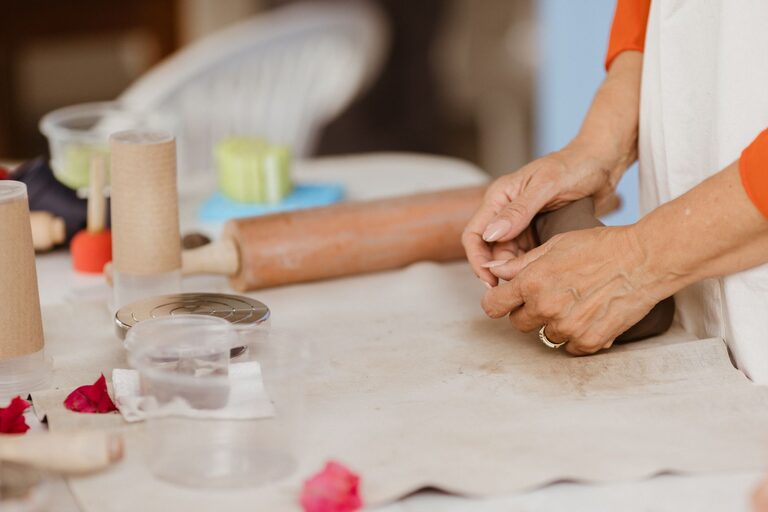
Finding a creative hobby can make time at home more enjoyable while giving you a rewarding way to stay engaged. Hands-on activities encourage focus, curiosity, and problem-solving, and many can be started with simple supplies.
Whether you prefer working with paper, fabric, food, or digital tools, there is a hobby to match almost every interest. Here are several creative indoor hobbies that can keep both your mind and hands active.
Drawing and Sketching
Drawing is an easy hobby to begin because you only need a pencil and paper. You can sketch objects around your home, practice shapes, or follow guided lessons online.
Try starting with simple projects such as:
– Drawing a favorite mug or houseplant
– Practicing lines, circles, and shading
– Sketching people, pets, or landscapes
– Creating a weekly collection of small drawings
– Exploring colored pencils, markers, or charcoal
Drawing does not have to produce a perfect result. The process of observing details and turning them into lines can be satisfying on its own. Over time, you may notice improvements in proportion, texture, and composition.
A Simple Drawing Routine
Set aside 15 to 20 minutes and choose one object. Look closely at its shape, shadows, and small details. Make a quick sketch without worrying about mistakes. With regular practice, even short sessions can help you build confidence and develop your own style.
Painting
Painting offers a colorful way to explore ideas and experiment with different materials. Watercolors, acrylics, and gouache each create a different effect, so you can try more than one medium to see what suits you.
Beginners may enjoy painting:
– Simple landscapes
– Abstract color patterns
– Greeting cards
– Small decorative signs
– Designs inspired by flowers or leaves
A limited color palette can make a project easier to manage. Choose two or three colors, then mix them to create lighter and darker shades. This simple exercise helps you understand how colors work together without requiring a large collection of supplies.
Paper Crafts and Origami
Paper is inexpensive, versatile, and easy to store. With folding, cutting, gluing, and layering, you can create decorations, cards, models, and useful organizers.
Origami is especially engaging because it combines careful hand movements with step-by-step thinking. Begin with simple shapes such as boats, boxes, flowers, or animals. As your skills improve, you can try more detailed designs.
Other paper craft ideas include:
– Handmade bookmarks
– Scrapbook pages
– Paper flowers
– Collage art
– Gift tags
– Homemade cards
Save clean packaging, magazine pages, and leftover wrapping paper for future projects. Reusing materials can add an extra creative challenge to your work.
Knitting, Crochet, and Embroidery
Fiber crafts are hands-on hobbies that allow you to create useful or decorative items. Knitting and crochet involve repeating patterns, while embroidery uses stitches to form pictures, lettering, and designs on fabric.
If you are new to fiber crafts, start with a small project such as:
– A simple scarf
– A cup cozy
– A small wall hanging
– An embroidered napkin
– A decorated fabric pouch
Learning the basic stitches may take some practice, but beginner kits and video tutorials can make the first steps easier. Choose a project that is small enough to finish within a reasonable amount of time. Completing an item can provide motivation to try something more advanced.
Puzzles and Building Projects
Puzzles are a creative way to work with patterns, shapes, and visual details. Jigsaw puzzles, logic games, crossword puzzles, and number challenges all offer different types of mental activity.
Building projects add a hands-on element. You might assemble a model, construct a small wooden kit, or create a structure from building blocks. These projects often involve planning, testing, and adjusting your approach.
To make the experience more enjoyable, choose a clear workspace and keep pieces sorted. If a project feels difficult, divide it into smaller sections rather than trying to complete everything at once.
Creative Writing and Journaling
Writing allows you to turn thoughts, observations, and ideas into stories or personal records. You do not need to consider yourself a professional writer to enjoy it.
Try one of these activities:
– Write a short story based on a photograph
– Create a fictional character
– Keep a daily journal
– Describe a memorable place
– Write a letter that you do not need to send
– Make a list of future creative projects
Writing prompts can help when you are unsure how to begin. For example, start with the sentence, “When the lights went out, the room became…” and continue for ten minutes without editing. The goal is to keep your ideas moving.
Cooking and Baking Projects
Cooking can become a creative hobby when you move beyond routine meals and try new techniques. Baking, decorating, and experimenting with flavors all require attention and hands-on effort.
Consider making:
– Homemade bread
– Decorated cookies
– Fresh pasta
– A new soup recipe
– Homemade pizza
– A dessert inspired by another culture
Keep notes about what you changed in each recipe. Recording ingredients, cooking times, and results can turn the kitchen into a small learning laboratory. You can gradually adjust recipes to match your preferences and discover which methods work best.
Music and Sound-Based Hobbies
Learning an instrument is a rewarding way to combine memory, coordination, and creativity. You could try keyboard, guitar, ukulele, hand percussion, or another instrument that fits your space and interests.
If an instrument is not practical, explore other music activities:
– Learn basic rhythm patterns
– Practice singing
– Create playlists around a theme
– Try digital music production
– Explore sound recording
– Study the structure of favorite songs
Short, regular practice sessions are often easier to maintain than long sessions once a week. Focus on one small skill at a time, such as learning a chord, rhythm, or short melody.
Digital Design and Photo Editing
Creative hobbies do not have to use physical materials. Digital design and photo editing provide flexible ways to create images, posters, invitations, and social media graphics.
Free or low-cost design tools often include templates that help beginners learn layout and color choices. You can practice by creating:
– A simple event invitation
– A desktop wallpaper
– A family recipe card
– A photo collage
– A personal logo
– A themed image collection
Digital projects also make it easy to save different versions and compare your progress. Experiment with fonts, spacing, and color combinations while keeping the design clear and easy to read.
How to Choose the Right Hobby
The best hobby is one that fits your interests, space, budget, and available time. Start by asking yourself:
– Do I prefer quiet or energetic activities?
– Would I rather follow instructions or make my own choices?
– Do I enjoy useful projects or decorative ones?
– How much room do I have for supplies?
– Can I spend 15 minutes, an hour, or longer on the activity?
It is also fine to try several hobbies before choosing a favorite. Begin with basic supplies and a small project. Once you know what you enjoy, you can invest in better tools or more advanced materials.
Make Creativity Part of Your Routine
Creative hobbies are easier to maintain when they have a regular place in your schedule. Keep frequently used supplies within reach, prepare a comfortable workspace, and set manageable goals.
You might draw during a quiet morning, work on a craft after dinner, or reserve part of the weekend for a larger project. The aim is not to produce something flawless every time. It is to create a space for curiosity, practice, and enjoyment.
With so many indoor options available, you can keep your mind engaged and your hands busy in ways that feel personal and rewarding. Pick one idea, gather a few supplies, and give yourself permission to learn as you go.