

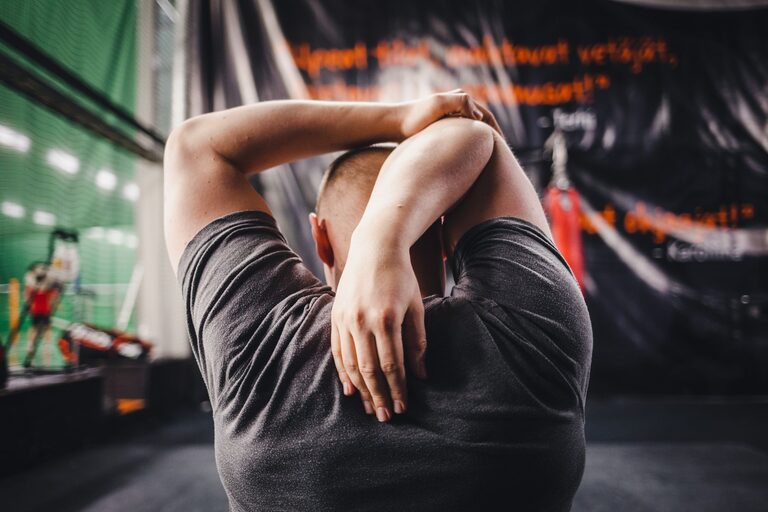
Why Simple Stretching Matters
Daily movement can feel easier when your body gets regular opportunities to change position, lengthen, and relax. Stretching does not need to be complicated or time-consuming. A few gentle movements during the day can help you feel less stiff after sitting, improve body awareness, and make everyday activities feel more comfortable.
The most useful stretching routine is one you can repeat consistently. Instead of waiting for a long block of free time, try adding short stretches to moments that already happen, such as waking up, taking a break from your desk, or getting ready for bed.
Stretching should feel gentle and controlled. You do not need to force a deeper range of motion to benefit from the habit.
Start With Gentle Movement
Before holding a stretch, spend a minute or two moving comfortably. This helps you become aware of how your body feels and prepares you for slower movements.
Try simple options such as:
– Walking around the room
– Rolling your shoulders slowly
– Moving your arms in relaxed circles
– Bending and straightening your knees
– Turning your head gently from side to side
– Marching in place
The goal is not to work hard. It is simply to move from stillness into a more active state. Gentle movement can also help you notice areas that feel tight or tired before you begin stretching.
Use Short Stretching Breaks
Long periods in one position can make the body feel stiff. A short movement break every so often can be more practical than one long routine at the end of the day.
If you spend much of your day sitting, stand up regularly and try a few of these movements:
Shoulder and Upper Back Stretch
Stand or sit tall. Bring your arms forward and gently reach as though you are hugging a large ball. Allow your upper back to round slightly while keeping your neck relaxed. Hold for a few comfortable breaths, then release.
Chest Opener
Place your hands behind your back, or simply rest them on your hips. Gently draw your shoulders back without forcing them. Keep your ribs relaxed and avoid arching your lower back. Hold briefly, then return to a natural position.
Side Reach
Raise one arm overhead and lean slightly to the opposite side. Keep both feet grounded and avoid twisting. You should feel a mild stretch along the side of your body. Repeat on the other side.
Even one or two of these movements can make a break feel refreshing.
Create a Morning Stretching Habit
A morning routine can help you begin the day with awareness rather than rushing straight into activity. You do not need to perform a full workout. Start with three to five minutes of easy movement.
Consider this simple sequence:
- Reach both arms overhead while standing or sitting.
- Roll your shoulders forward and backward.
- Gently turn your torso from side to side.
- Stretch one calf at a time against the floor.
- Take several slow breaths before continuing with your day.
Move slowly and keep the range of motion comfortable. If you prefer stretching in bed, choose gentle movements and avoid sudden twisting or bouncing.
Stretch the Areas You Use Most
The best stretches for you may depend on your daily activities. Think about which positions you repeat most often and choose movements that balance them.
For example:
– After desk work, focus on your neck, shoulders, chest, hips, and legs.
– After standing for long periods, try gentle calf, hamstring, and lower-body stretches.
– After driving, move your shoulders, hips, and ankles.
– After household tasks, relax your back, arms, and sides.
– After walking, use comfortable lower-body stretches without forcing your joints.
This approach keeps stretching relevant. Instead of following a routine that feels unrelated to your life, you can respond to the movements you perform most often.
Try a Simple Lower-Body Routine
The lower body supports many everyday activities, including walking, climbing stairs, and standing. A few gentle stretches can fit into a short break.
Calf Stretch
Face a wall and place your hands against it. Step one foot back, keeping the heel grounded. Bend the front knee slightly and lean forward until you feel a mild stretch in the back leg. Switch sides.
Front-of-Hip Stretch
Stand near a wall or sturdy chair for balance. Step one foot back and gently bend both knees. Keep your torso upright and avoid pushing the hips forward. Switch sides after a few breaths.
Back-of-Leg Stretch
Place one heel on a low step or sturdy surface. Keep the leg comfortably straight, then lean forward slightly from the hips while maintaining a relaxed back. Switch sides.
Each stretch should feel steady and manageable. A mild pulling sensation is normal, but sharp, intense, or uncomfortable feelings are a sign to stop and adjust.
Use Breathing to Stay Relaxed
Breathing can help keep stretching calm and controlled. Try inhaling slowly through your nose, then exhaling fully without holding your breath. Let your shoulders soften as you breathe out.
Avoid using your breath to push through a stretch. Instead, allow each exhale to remind you to relax. If you notice that you are tensing your jaw, gripping your hands, or holding your breath, reduce the intensity and return to a smaller movement.
A relaxed approach is often more sustainable than trying to reach a specific position.
Avoid Common Stretching Mistakes
A few simple guidelines can make your routine more comfortable:
– Do not bounce while holding a stretch.
– Do not force a joint into an uncomfortable position.
– Avoid comparing your flexibility with someone else’s.
– Keep movements slow enough to stay in control.
– Use support when balancing.
– Stop if a movement causes sharp pain, numbness, or unusual discomfort.
– Choose a stable surface and suitable clothing.
You can also adjust stretches to suit your current energy level. On a busy or tiring day, a few shoulder rolls and gentle walks may be enough.
Make the Habit Easy to Repeat
Consistency matters more than complexity. Link stretching to an existing part of your day so you do not have to rely on memory alone.
Useful reminders include:
– Stretch after brushing your teeth.
– Move during a coffee or water break.
– Keep a reminder near your desk.
– Perform a short routine before changing into sleepwear.
– Stretch while waiting for water to boil.
– Take a few movements after finishing a meeting or phone call.
Start with one or two minutes. Once the habit feels natural, you can add more movements or slightly longer sessions.
Listen to Your Body
Stretching should support comfortable movement, not become a test of endurance. Your flexibility can vary from day to day based on sleep, activity, stress, and how long you have been in one position.
Move within a comfortable range and make gradual changes. If a particular area remains painful, feels unusually weak, or reacts poorly to movement, pause that stretch and consider speaking with a qualified professional for personalized guidance.
The goal is simple: create regular moments to move, breathe, and reset. With gentle practice, stretching can become an easy part of your daily routine and a practical way to feel more at ease during everyday activities.