

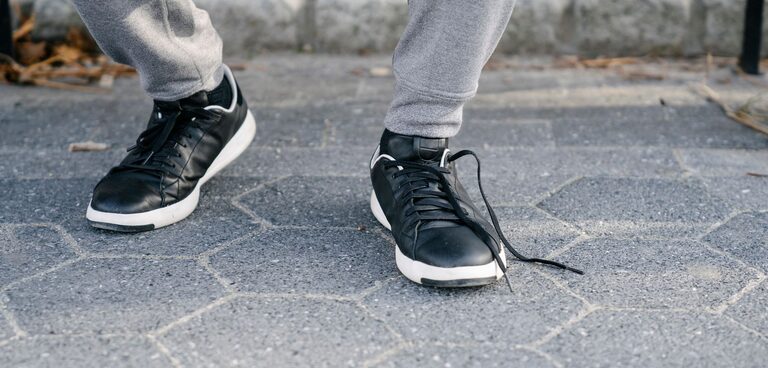
Daily neighborhood walks are easier to enjoy when your shoes feel comfortable from the first step to the last. The right pair can help you walk naturally, handle different surfaces, and stay comfortable during short strolls or longer outings.
Choosing walking shoes does not have to be complicated. Focus on fit, comfort, stability, materials, and the type of routes you use most often. A few simple checks in the store can help you find a pair that suits your feet and your routine.
Start With Your Walking Habits
Before shopping, think about how and where you usually walk. Your daily route can affect the type of shoe you need.
Consider these questions:
– How long are your typical walks?
– Do you walk on sidewalks, paved paths, grass, or gravel?
– Is your neighborhood mostly flat or hilly?
– Do you walk in warm, rainy, or cold weather?
– Do you prefer lightweight shoes or a more structured design?
– Will you use the shoes only for walking or for other activities too?
For mostly paved sidewalks, a lightweight walking or running shoe may work well. If your route includes uneven paths, a sturdier outsole and added stability may be useful. Shoes designed for trails can be helpful on rough ground, but they may feel unnecessarily heavy for simple neighborhood walks.
Look for a Comfortable Fit
Fit is one of the most important parts of choosing walking shoes. Even a well-made shoe may be uncomfortable if it is too narrow, too loose, or the wrong shape for your foot.
When trying on shoes, check the following:
Leave Room at the Toe
Your toes should have enough space to move without pressing against the front of the shoe. Leave about a thumb’s width between your longest toe and the end of the shoe. Feet can move forward slightly while walking, especially on downhill sections.
The toe box should also allow your toes to spread naturally. Avoid shoes that squeeze the front of your foot or force your toes together.
Check the Heel
Your heel should feel secure without being tightly compressed. A small amount of movement may be normal, but your heel should not slide up and down with every step.
Walk around the store and try different lacing techniques if needed. A well-designed heel collar and properly adjusted laces can improve the fit without making the shoe feel tight.
Pay Attention to Width
Shoe sizes are not limited to length. Width can make a major difference in comfort. If your feet feel pinched along the sides, look for a wider version rather than simply buying a longer size.
Try both shoes, since one foot may be slightly larger than the other. Choose the size that fits the larger foot comfortably.
Try Shoes on at the Right Time
Feet often swell slightly throughout the day. For this reason, try on walking shoes in the afternoon or evening instead of first thing in the morning.
Wear the socks you usually use for walking. Thick athletic socks can change the fit, so testing shoes with your everyday walking socks gives you a more accurate result.
If you use removable insoles or supportive inserts, bring them along when trying on shoes. The shoe should still feel comfortable and provide enough room when they are in place.
Choose Cushioning That Feels Natural
Cushioning helps soften the feel of each step, but more cushioning is not always better. The best amount depends on your personal preference, walking surface, and how the shoe feels while moving.
A comfortable shoe should feel supportive without making you feel unsteady. Walk across a hard floor and, if possible, try the shoes on several surfaces. Notice whether the cushioning feels smooth, balanced, and comfortable.
Look for:
– A sole that bends slightly near the toes
– Enough cushioning to feel comfortable on hard pavement
– A stable base that does not wobble
– A midsole that feels consistent from heel to toe
– A design that does not feel overly heavy
Avoid choosing a shoe based only on how soft it feels when you first step into it. Excessively soft materials may feel comfortable at first but can also make the shoe feel unstable during a walk.
Consider Support and Stability
Walking shoes should help your feet move comfortably without forcing them into an unnatural position. Many people prefer a shoe with a stable heel and a firm, supportive midsole.
Check whether the shoe sits level when placed on a flat surface. The heel counter, or the firmer section around the back of the shoe, should hold its shape and support the heel without rubbing.
The shoe should also resist twisting slightly from side to side, while still bending naturally near the front. A shoe that twists too easily may feel less stable, while one that barely bends may feel stiff and restrictive.
Choose the support level that feels comfortable for your walking style. You do not necessarily need the most structured shoe available.
Examine the Outsole
The outsole is the bottom part of the shoe and provides contact with the ground. For daily neighborhood walks, look for an outsole with a good balance of flexibility, traction, and durability.
A mostly smooth outsole may be suitable for clean sidewalks, while deeper patterns can provide better grip on gravel, damp paths, or grassy areas. However, very aggressive tread can feel bulky on pavement.
Check the rubber in high-wear areas, especially under the heel and forefoot. These sections should look durable and firmly attached to the rest of the shoe.
Choose Materials for the Weather
The right materials can make your walks more comfortable in different conditions.
Breathable mesh is useful in warm weather because it allows air to circulate around your feet. Lightweight synthetic materials can also help reduce the overall weight of the shoe.
For rainy conditions, consider shoes with water-resistant materials or a protective outer layer. Keep in mind that water-resistant shoes may feel warmer and less breathable than mesh designs.
If you walk in colder weather, you may prefer a shoe with a slightly thicker upper. Leave enough room for your regular socks without making the shoe tight.
Test the Shoes Before Buying
Take a few minutes to walk in the shoes before making a decision. Do not rely only on sitting down or standing still.
Try these simple checks:
- Walk at your normal pace.
- Take a few longer steps.
- Turn in different directions.
- Walk up and down a small incline if available.
- Check for rubbing, pinching, or pressure points.
- Compare the feel of both shoes.
The shoes should feel comfortable right away. Although some materials may soften slightly with use, you should not expect a painful or awkward break-in period.
Think About Durability and Care
A durable pair of walking shoes can be a better choice than a very inexpensive pair that quickly loses its shape. Look for strong stitching, secure bonding around the sole, and materials that match your walking conditions.
To extend the life of your shoes:
– Let them air out after each walk.
– Remove dirt with a soft brush or damp cloth.
– Avoid leaving them in excessive heat.
– Use them mainly for their intended purpose.
– Rotate between two pairs if you walk every day.
– Replace them when the cushioning feels flat or the outsole is badly worn.
Visible wear is not the only sign that shoes need replacing. If the shoes no longer feel comfortable, supportive, or stable, it may be time to look for a new pair.
Make Comfort the Final Test
The best walking shoes are the ones that fit your feet, match your usual routes, and feel comfortable throughout your walk. Brand names, colors, and popular features matter less than how the shoes perform for you.
Take time to compare several pairs, try them on with your usual socks, and walk around before buying. With the right fit and a design suited to your neighborhood, daily walks can feel more comfortable, steady, and enjoyable.