

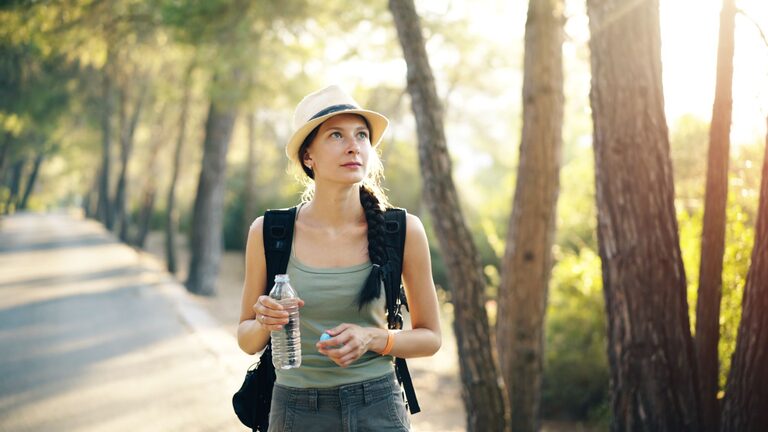
Staying hydrated can make a walk or day trip more comfortable, enjoyable, and easier to manage. Whether you are exploring a city, visiting a park, or spending the day on a trail, a little planning helps you avoid running low on water.
Hydration needs vary from person to person and depend on factors such as temperature, activity level, distance, shade, and access to refill points. The goal is not to follow one fixed rule, but to create a simple plan that fits your outing.
Plan Before You Leave
A few minutes of preparation can prevent common hydration problems later in the day.
Check the weather and route
Look at the expected temperature, humidity, wind, and chance of rain. Warm or humid conditions can make you feel thirsty sooner, while a cool, windy day may hide how much moisture you are losing.
Review your route and note:
– Water fountains
– Cafes and stores
– Visitor centers
– Public restrooms
– Shaded areas
– Longer stretches without services
If your route has no reliable water sources, plan to carry everything you may need. Do not assume that a stream, lake, or outdoor tap is safe to drink from unless it is clearly marked as potable or has been properly treated.
Estimate your needs
The amount of water you need depends on the length and intensity of your trip. A short, easy walk near shops may require only a small bottle, while a full-day hike in warm weather calls for more careful planning.
Consider carrying extra water when:
– The weather is hot or humid
– The route has steep hills
– You will be walking for several hours
– There is little shade
– You are traveling with children or pets
– Refill locations are uncertain
It is better to have a modest reserve than to finish your supply far from a refill point.
Choose a Convenient Water Container
The best water bottle is one you will actually use throughout the day. A container that is difficult to open, too heavy, or awkward to carry may lead you to drink less often.
Compare bottle options
Reusable bottles are practical for most walks and day trips. Look for a size that fits your bag or backpack and has a secure lid. Wide-mouth bottles are easy to fill and clean, while narrow-mouth bottles can be convenient for sipping while moving.
Hydration reservoirs with a drinking tube can make it easier to take small sips without stopping. They are useful on longer walks, but they need regular cleaning and thorough drying.
Collapsible bottles save space after they are empty. They can be helpful when you expect to refill along the way, although some are less stable when placed on a table or in a backpack pocket.
Make water easy to reach
Store your bottle in an outside pocket or use a bottle holder. If you must unpack your bag every time you want a drink, you may wait too long between sips.
For day trips, consider using an insulated bottle if you prefer cool water. Keep in mind that a larger or insulated container can add weight, so balance comfort with capacity.
Start Hydrating Before the Walk
Do not wait until you feel very thirsty to begin drinking. Have water with a meal or snack before leaving, especially if you are heading out early or expect a warm day.
Starting with normal hydration can make it easier to maintain your energy and comfort during the outing. However, avoid forcing yourself to drink large amounts quickly. A steady approach is more practical than trying to “catch up” all at once.
Pack your water before you pack optional items. This simple habit makes it less likely that you will forget or underestimate your supply.
Sip Regularly During the Day
Small, regular sips are often easier than drinking a large amount after you become very thirsty. Take a drink during natural breaks, such as when you stop to check a map, take a photo, enjoy a viewpoint, or have a snack.
A simple routine might include:
- Take a few sips before starting.
- Drink during your first rest break.
- Continue sipping at regular intervals.
- Drink with snacks or meals.
- Check your supply before entering a longer section of the route.
Your thirst, comfort, and the conditions around you can guide how often you drink. On a hot day or during a faster walk, you may need to drink more frequently.
Bring More Than Just Water When Appropriate
Water is usually the simplest choice for walks and day trips. For longer or more demanding outings, some people also bring a drink containing carbohydrates or electrolytes. These products may be useful when you are active for several hours, sweating heavily, or unable to eat a regular meal.
For shorter, easy walks, specialty drinks are often unnecessary. They can also contain added sugar, so check the label and choose what fits your needs and preferences.
Food can support hydration, too. Snacks with high water content, such as oranges, grapes, melon, cucumbers, or applesauce, can be refreshing additions to a day bag. Pack foods that travel well and keep them at a suitable temperature.
Use Shade, Clothing, and Timing to Your Advantage
Hydration is only one part of staying comfortable outdoors. You can reduce strain by planning around the conditions.
Whenever possible:
– Walk during the cooler parts of the day
– Choose shaded routes
– Wear light, breathable clothing
– Use a hat with good coverage
– Apply sunscreen as directed on the product label
– Take regular breaks
– Slow your pace in heat or on steep sections
A slower pace can help you conserve energy and make it easier to notice how you are feeling. If a route becomes hotter or more difficult than expected, change your plan rather than pushing ahead.
Watch for Signs That You Need a Break
Pay attention to changes in your comfort and energy. Strong thirst, a dry mouth, unusual tiredness, headache, dizziness, or feeling overheated are signs to pause, find shade, and drink water.
If you feel unwell, stop the activity and move to a cooler or safer place. Let someone in your group know how you feel. If symptoms are severe, worsen, or do not improve with rest and cooling, seek local assistance.
Do not rely only on thirst, especially when walking in cold, windy, or dry conditions. Regular breaks and simple self-checks can help you notice problems earlier.
Keep Water Safe and Clean
Good storage habits help keep your water fresh.
– Wash reusable bottles regularly with soap and warm water.
– Clean drinking tubes and lids according to the manufacturer’s instructions.
– Do not leave water containers in a hot car for long periods.
– Keep the bottle closed when it is not in use.
– Avoid sharing bottles when possible.
– Refill only from clearly safe, designated sources.
For longer trips, check whether your destination has refill rules or limited access to drinking water. Carrying a small backup container can be useful when plans change.
Make Hydration Part of Your Day Trip Routine
The easiest way to stay hydrated is to connect drinking with activities you already do. Take a few sips whenever you stop at a landmark, board transportation, sit for a meal, or check your phone for directions.
Before leaving your destination, refill your bottle if you will be traveling through an area with limited services. At the end of the outing, rinse and clean your container so it is ready for the next trip.
With a suitable water supply, regular breaks, and a little awareness of the weather, hydration becomes a simple part of outdoor planning. These habits can help you enjoy walks and day trips with greater comfort from start to finish.