

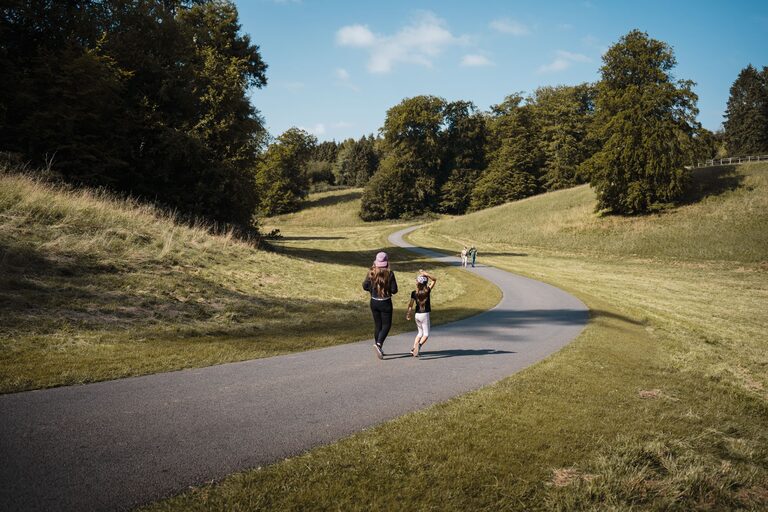
Walking is one of the easiest ways to spend more time outdoors and add regular movement to your day. It does not require expensive equipment, a gym membership, or a complicated schedule. The key is building a routine that fits your real life.
Local routes can make that routine easier to maintain. A nearby sidewalk, park, trail, or quiet neighborhood street may be more useful than a scenic destination that takes an hour to reach. When walking is convenient, you are more likely to do it regularly.
Here is how to create a sustainable walking routine using the places already around you.
Start With a Routine You Can Repeat
A sustainable routine should feel manageable rather than overwhelming. Many people begin with ambitious plans, then lose momentum when the schedule becomes difficult to maintain. Start with an amount of walking that fits comfortably into your week.
Consider these questions:
– Which days are usually less busy?
– What time of day feels most practical?
– How much time can you set aside without rushing?
– Are there routes close to home, work, or school?
– What might make walking easier to remember?
You might begin with three walks per week, each lasting 15 to 20 minutes. Another option is a short daily walk around your block or nearby building. The best starting point is one you can repeat consistently.
As the routine becomes familiar, you can gradually add time, distance, or another day. Small adjustments are easier to maintain than sudden changes.
Explore Your Local Walking Options
You may already have more route choices than you realize. Look beyond popular trails and search for practical everyday paths.
Possible local routes include:
– Residential streets with sidewalks
– Public parks and greenways
– School tracks open to the community
– Waterfront paths
– Shopping areas with pedestrian walkways
– Historic streets or local landmarks
– Neighborhood loops
– Paths around libraries, community centers, or campuses
Try making a list of routes within a short distance of your home or regular destinations. You can use a local map, community website, or walking app to identify parks, sidewalks, trails, and pedestrian areas.
When exploring, pay attention to practical details such as shade, lighting, benches, crossings, and restrooms. These features can affect how comfortable and useful a route feels.
Create a Small Route Library
Having more than one route helps keep walking interesting and makes it easier to adapt to your schedule. Build a simple route library with options for different days.
The quick route
This route may take 10 to 15 minutes and stay close to home. It is useful on busy days or when you want to maintain your routine without spending much time.
The standard route
A 20- to 40-minute route can become your regular option. It might include a neighborhood loop, a nearby park, or a path that connects several local streets.
The longer route
Use this option when you have more time. It could include a larger park, a trail, or several connected neighborhoods.
The destination route
Choose a practical destination, such as a library, café, market, or community garden. Walking to a destination can give the outing a clear purpose.
The indoor or weather-friendly route
For days with uncomfortable weather, look for covered walkways, an indoor public space, or a short route close to home. Having a backup plan keeps one rainy or cold day from interrupting your routine.
Use Time-Based Goals
Time-based goals are often easier to follow than distance goals. A simple plan might look like this:
– Week 1: Walk for 15 minutes, three times
– Week 2: Walk for 20 minutes, three times
– Week 3: Walk for 20 minutes, four times
– Week 4: Walk for 25 to 30 minutes, four times
This is only an example. Adjust the plan to match your schedule and comfort. You can also divide walking into shorter sessions. Two 10-minute walks may fit your day better than one 20-minute outing.
Focus on showing up consistently. The goal is to make walking a normal part of your day, not to complete a demanding challenge.
Connect Walking to Existing Habits
A new routine is easier to remember when it follows something you already do. This approach can help walking become part of your regular schedule.
Try walking:
– After breakfast
– During a lunch break
– After finishing work
– Before picking up children
– After dinner
– While listening to a favorite podcast
– On the way to a nearby errand
You can also place your walking shoes near the door, keep a light jacket in your car, or add walking sessions to your calendar. Small reminders reduce the number of decisions you need to make.
Make Local Routes More Interesting
Familiar routes do not have to feel repetitive. Give yourself a reason to notice something new each time you walk.
You could:
– Choose a different street each week
– Look for seasonal changes in trees and gardens
– Visit a new section of a local park
– Take photos of interesting buildings or signs
– Listen to an audiobook or podcast
– Walk with a friend or neighbor
– Create a simple scavenger hunt
– Learn about local landmarks
– Stop at a small business along the route
You may also assign different themes to different days. For example, one walk could focus on nature, another on architecture, and another on discovering new public spaces.
If you walk with audio, keep the volume low enough to stay aware of your surroundings. When walking in unfamiliar areas, it is also helpful to share your route with someone you trust.
Prepare for Convenience and Comfort
A few simple preparations can make walking more enjoyable. Choose comfortable clothing and footwear suitable for the surface and weather. Bring water when you expect to be out for a longer period, and carry only what you need.
Before leaving, check the conditions and adjust your route if necessary. On hot days, choose a shaded path and walk during a cooler time. In colder or wetter weather, select a shorter route or use a covered option.
Safety is also part of a sustainable routine. Stay aware near roads and driveways, use crossings, and choose well-used routes when possible. If you walk after dark, wear visible clothing and select areas with reliable lighting.
Track Progress Without Making It Complicated
Tracking can help you see patterns and stay motivated, but it should remain simple. You could use a calendar and mark each walking day, keep a short journal, or use a phone app to record time.
Instead of focusing only on distance, track other signs of consistency:
– Number of walks completed
– Total minutes walked
– New local routes explored
– Days when walking replaced a short car trip
– How often you walked with someone else
– Routes that you want to revisit
Review your progress every few weeks. If the routine feels difficult, reduce the length or frequency temporarily. Adjusting the plan is not failure; it is a practical way to keep going.
Build a Routine That Lasts
A sustainable walking routine should be flexible enough to fit changing seasons, work schedules, and daily responsibilities. Keep your route library, but allow yourself to choose the easiest option on busy days.
Aim for regularity rather than perfection. Missing a walk does not erase your progress. Simply return to the next planned outing, even if it is shorter than usual.
Local routes make walking accessible, varied, and connected to everyday life. By starting small, preparing practical options, and exploring the places near you, you can create a routine that remains enjoyable and easy to repeat. Over time, those short walks can become a reliable part of your week.