

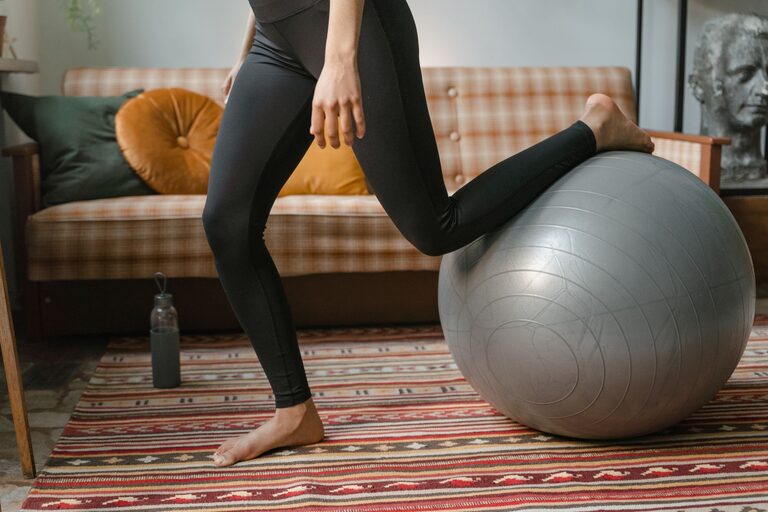
An active lifestyle does not require a large home, expensive equipment, or a full renovation. Small changes to your space can make it easier to move, stay organized, and enjoy everyday activities. The goal is to create a home that feels comfortable while supporting the way you live.
Whether you enjoy morning stretches, weekend projects, indoor workouts, or simply moving more throughout the day, your home can help make those routines easier. Here are practical ways to create a more active and comfortable living space.
Make Movement Easy and Convenient
The most useful home improvements are often the ones that remove small obstacles. If an activity takes too much setup, you may be less likely to do it regularly. Keep commonly used items within easy reach and make open space available for movement.
Start by looking at the areas where you spend the most time. Is furniture blocking a walkway? Are storage boxes taking up floor space? Would moving a chair or table create a more flexible area?
Try these simple adjustments:
– Clear pathways between rooms.
– Move furniture away from doorways and frequently used routes.
– Store bulky items vertically when possible.
– Keep frequently used equipment in an accessible location.
– Use furniture that can be moved or rearranged easily.
A clear layout makes a room feel larger and gives you more options for daily activities.
Create a Flexible Activity Area
You do not need a dedicated exercise room to make space for movement. A corner of a bedroom, living room, home office, or hallway may be enough. The key is to make the area easy to use and easy to put away.
Choose a space with a stable floor and enough room to move comfortably. A folding mat, lightweight stool, resistance bands, or other compact items can be stored nearby in a basket or cabinet.
Consider using furniture with more than one purpose. An ottoman with hidden storage can hold activity supplies, while a small folding table can be moved aside when you need open floor space. If you use a television or monitor in the room, position it where it can be viewed from different parts of the space.
Keep Supplies Ready
A simple storage system can make your activity area more inviting. Use a labeled bin, open shelf, or wall hooks to keep items together. Avoid placing supplies in a hard-to-reach closet if you use them often.
A convenient setup might include:
– A rolled mat
– Light hand weights or bands
– A towel
– A water bottle
– A small speaker
– A storage basket
Keeping everything in one place saves time and reduces clutter.
Improve Lighting for Comfort and Safety
Good lighting can make rooms more pleasant and help you move around with greater confidence. Use a mix of natural, general, and task lighting to create a balanced environment.
During the day, open curtains or blinds to bring in natural light. Arrange furniture so it does not block windows. In darker areas, add floor lamps, table lamps, or wall lights instead of relying on a single overhead fixture.
Pay special attention to walkways, stairs, entry areas, and storage spaces. These locations should be bright enough to navigate easily. Motion sensor lights can be helpful in closets, hallways, and other areas where lights are often left off.
Choose bulbs with a comfortable brightness and a color that suits the room. Warm light can create a relaxed feeling, while brighter neutral light may work well in task areas.
Choose Comfortable, Supportive Furniture
Furniture should support both activity and rest. Look for pieces that are comfortable, stable, and suited to the way you use each room.
A chair with a supportive back can make reading, working, or putting on shoes more comfortable. A firm sofa may be easier to sit on and stand from than an overly soft one. Adjustable desks and supportive work chairs can also make home office spaces more flexible.
When arranging furniture, leave enough space around seating areas and tables. This reduces crowding and makes it easier to get up, sit down, or move between rooms.
If you like to change activities throughout the day, consider lightweight furniture that can be repositioned. Nesting tables, folding chairs, and compact stools can adapt to different needs without taking over the room.
Use Flooring That Works for Everyday Activities
Flooring affects comfort, movement, and the overall feel of a room. Keep floors clear of loose items and secure any rugs with nonslip pads. This can help rugs stay in place while also adding warmth and softness.
If you are creating an activity area, choose a surface that feels comfortable for the activities you plan to do. A washable mat can protect the floor and define the space without requiring permanent changes.
Different rooms may benefit from different flooring choices. Hard surfaces are often easy to clean, while rugs can make living areas feel warmer and more comfortable. Aim for a practical balance between easy maintenance and everyday comfort.
Add Storage That Keeps Clutter Under Control
Clutter can make a home feel crowded and reduce the amount of usable space. Well-planned storage helps keep floors and surfaces clear so rooms can serve more than one purpose.
Use baskets, bins, shelves, and cabinets to group similar items. For example, keep outdoor accessories near the entryway, hobby supplies in one cabinet, and activity equipment in a dedicated bin.
Make storage easy to maintain by following a few simple rules:
– Store often-used items at waist or eye level.
– Place heavier items on lower shelves.
– Use clear containers for small supplies.
– Keep a basket for items that need to be returned to other rooms.
– Review storage areas regularly and remove items you no longer use.
A tidy room is easier to adapt and often feels more relaxing.
Make the Entryway More Functional
The entryway sets the tone for the rest of your home. A well-organized entrance can make it easier to leave for a walk, carry in groceries, or put away outdoor items.
Add a bench or sturdy seat if you have space. Hooks can hold jackets, bags, and hats, while a tray or shelf can keep keys and small items in one place. A shoe rack can help prevent outdoor dirt from spreading through the home.
Keep frequently used items close to the door, but avoid blocking the main path. A small amount of organization in this area can save time every day.
Connect Indoor and Outdoor Spaces
If you have a patio, balcony, porch, or yard, make it easy to use. Clean the area, arrange comfortable seating, and add simple lighting for evening use. Weather-resistant storage can keep outdoor cushions, games, and gardening tools close at hand.
Place commonly used items near the door so you do not need to search for them. A small table can hold drinks, books, or outdoor accessories. Even a compact balcony can become a comfortable space for fresh air, stretching, reading, or relaxing.
Houseplants and natural materials can also make indoor spaces feel more connected to the outdoors. Choose low-maintenance options if you want greenery without a demanding routine.
Create a Home That Supports Your Routine
The best design choices are the ones that fit your everyday habits. Walk through your home and notice where you naturally spend time, where clutter builds up, and which activities require extra effort to set up.
Then make one change at a time. Clear a corner, move a piece of furniture, improve a dark walkway, or add storage near the entryway. These small updates can make your home more comfortable, flexible, and enjoyable for active living.
A home does not need to look like a studio or gym to support movement. With thoughtful organization, comfortable furniture, practical lighting, and adaptable spaces, ordinary rooms can work harder for your lifestyle.